The science of staying safe how to prevent Hantavirus exposure and nutrition for affected person
Hantaviruses are a family of viruses spread mainly by rodents.While they generally do not cause disease in animals, they can cause serious illnesses in humans. Depending on which hantavirus strain is contracted. It affects humans in two ways:
1- HANTAVIRUS PULMONARY SYNDROME
early symptoms: fever, fatigue, and muscle aches, especially in the thighs, hips, and back.
late symptoms: when 4-10 days passed, the lungs fill with fluid, causing shortness of breath and coughing. such patient needs emergency treatment
2- HEMORRHAGIC FEVER WITH RENAL SYNDROME
more common in Europe and Asia
symptoms: intense headaches, back and abdominal pain, fever, chills, and nausea, low blood pressure and acute kidney failur
How it spread and how to prevent virus exposure
the primary cause deer mice, cotton rats, and rice rats. it is very rare for hantavirus to spread from person to person. The primary way is to minimize contact with rodents and their waste. because the virus is most often inhaled via dust particles contaminated with rodent urine or droppings.
1-safe cleaning practices ( focus on disinfecting rather than sweeping or vacuuming)
2-rodent proofing your home
3-precautions for outdoor activities
Nutrition for affected person
1-Proper Hydration and Fluid Balance.
because the virus cause vascular leak where fluid moves from blood vessels into the lungs or surrounding tissues. Doctors must balance fluid intake. ELECTROLYTES because they affect kidnays, maintaining proper levels of sodium, potassium, and chloride is vital for function.
2-Supporting the Immune Response
The body needs specific nutrients to repair tissues and to provide energy. Caloric and nutrient-dense foods are required by the body. Small, frequent meals are often easier to digest, especially for a patient experiencing fatigue and nausea.
3- Anti-inflammatory Foods
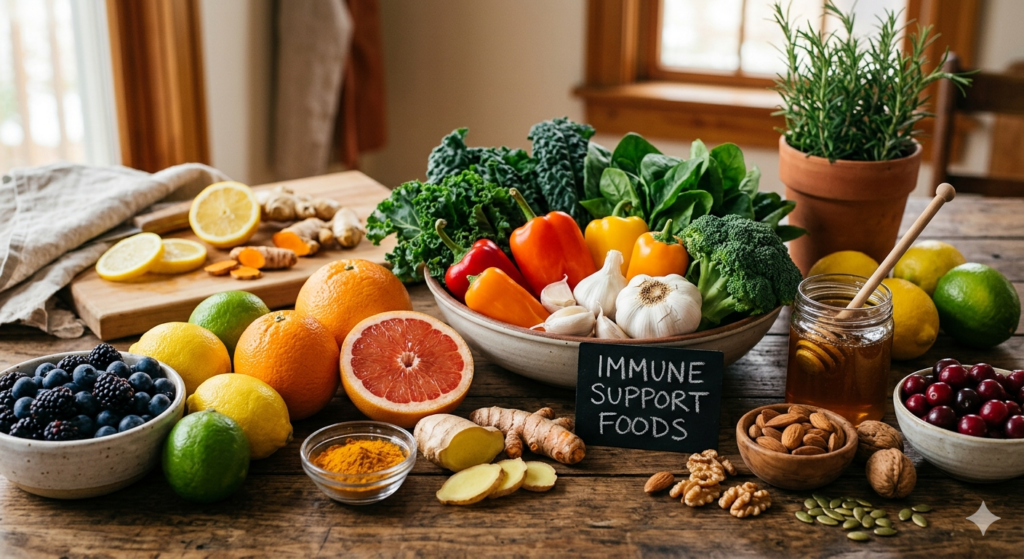
Incorporating foods rich in antioxidants can support general recovery for example, fruit(berries, and citrus).vegetables(leafy greens and bell papers). healthy fats(omega-3 fatty acids in walnuts or flaxseeds)
4- Probiotics and Gut Health
gut microbiome can help restore digestive health. sources (yogurt and fermented vegetables).